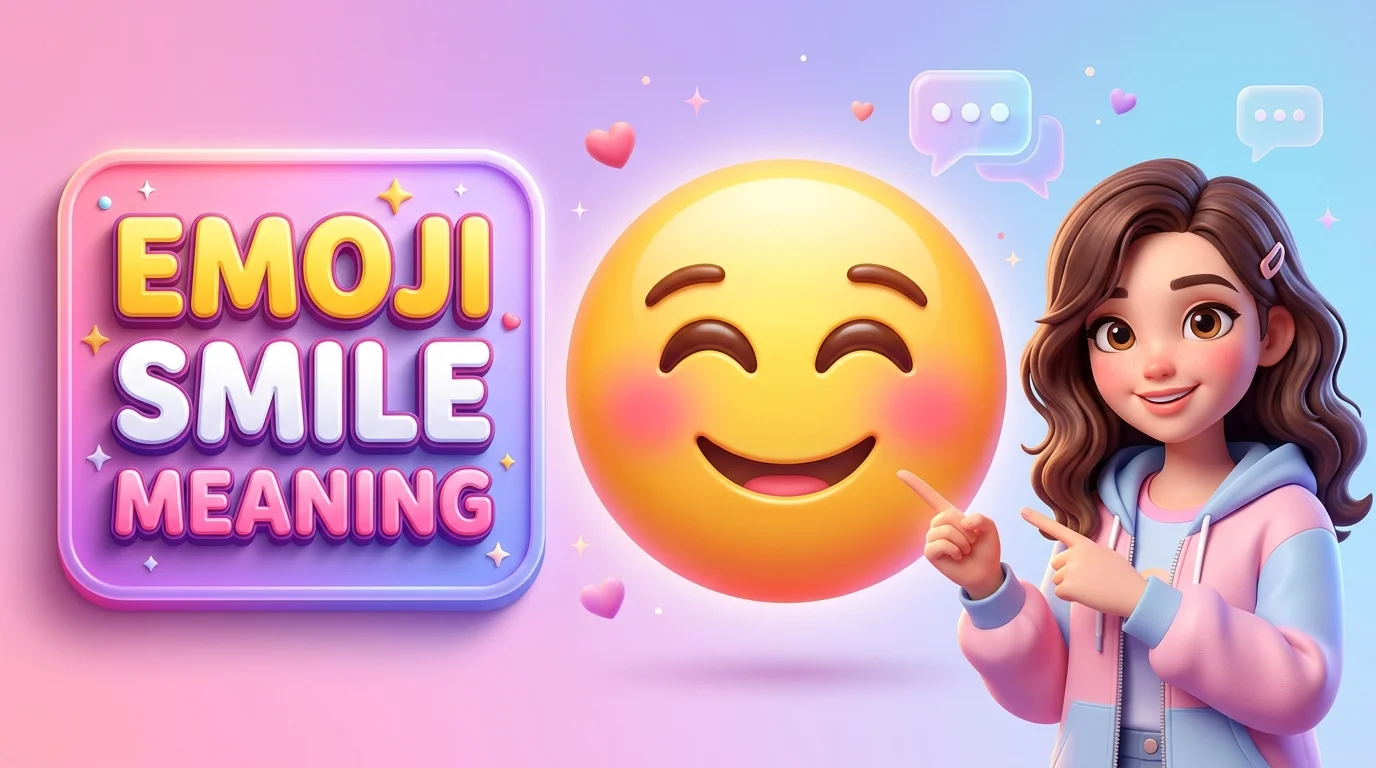
Smile emojis are among the most popular symbols used in texting, messaging apps, and social media, but their meanings can change depending on the expression and conversation. The Emoji Smile Meaning is generally associated with happiness, friendliness, kindness, and positive emotions.
People use smile emojis to make messages feel warmer, show appreciation, react to good news, or express their feelings without writing long sentences. However, not every smile emoji communicates the same emotion. A simple smiling face may show friendliness, while a blushing smile can suggest shyness, and a smirking face may convey confidence, teasing, or flirtation.
The meaning also depends on who sends the emoji and the situation in which it appears. In this guide, you’ll explore popular smile emojis and their meanings, learn how people use them in texting, friendship, and relationships, and discover examples to help you understand what someone might be expressing.
What Does a Smile Emoji Mean?
A smile emoji generally represents a positive emotion.
Depending on the emoji, it can communicate:
- Happiness
- Friendliness
- Excitement
- Kindness
- Warmth
- Appreciation
- Humor
- Affection
- Shyness
- Satisfaction
- Politeness
- Playfulness
The exact meaning depends on the specific emoji.
For example:
“Thank you 😊”
usually sounds warm and friendly.
But:
“Thank you 🙂”
may sound more neutral.
Meanwhile:
“Thank you 😍”
could sound more excited or affectionate.
Why Do People Use Smile Emojis?
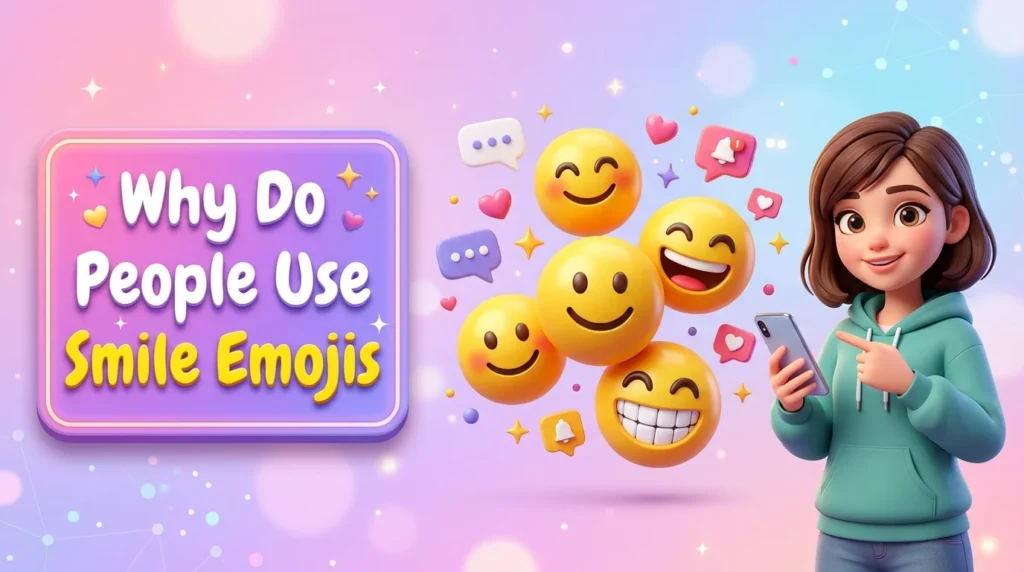
People use smile emojis because text messages do not show facial expressions or voice tone.
Consider this message:
“Okay.”
It could sound neutral, annoyed, or serious.
Now compare:
“Okay 😊”
The emoji makes the message feel softer and friendlier.
Smile emojis can help people:
- Show emotions
- Make messages warmer
- Avoid sounding too serious
- Respond positively
- Express happiness
- Show affection
- Make jokes feel lighter
- Add personality to messages
Popular Smile Emojis and Their Meanings
There are many smiling emojis, and each one has its own emotional tone.
😀 Grinning Face
😀 usually represents a broad, cheerful smile.
It can mean:
- Happiness
- Excitement
- Positivity
- General friendliness
- Enthusiasm
Example:
“I finally finished my project 😀”
The person is clearly happy about the situation.
😃 Grinning Face With Big Eyes
😃 usually communicates strong happiness, excitement, or enthusiasm.
Example:
“We’re going on vacation tomorrow 😃”
It can feel more energetic than 😀.
😄 Grinning Face With Smiling Eyes
😄 represents genuine happiness, joy, friendliness, and cheerful excitement.
Example:
“That’s great news 😄”
It often feels natural and positive.
😁 Beaming Face With Smiling Eyes
😁 usually represents a big smile, excitement, pride, or happiness.
It can sometimes suggest that someone is extremely pleased with themselves.
Example:
“I got the highest score 😁”
😆 Grinning Squinting Face
😆 usually represents strong laughter, amusement, or playful excitement.
Example:
“That joke was hilarious 😆”
It can also be used for embarrassing or silly situations.
😅 Grinning Face With Sweat
😅 often represents nervous laughter, relief, embarrassment, or a situation that could have gone badly.
Example:
“I almost forgot my presentation 😅”
It can mean:
“That was close.”
😂 Face With Tears of Joy
😂 is one of the most commonly used laughter emojis.
It generally means:
- That’s hilarious
- I’m laughing
- This is extremely funny
- That situation is ridiculous
Example:
“You actually did that 😂”
Online, it can also be used for exaggerated reactions.
🙂 Slightly Smiling Face
🙂 can represent a small smile, politeness, friendliness, calmness, or mild happiness.
However, its meaning can change dramatically depending on context.
For example:
“Thanks 🙂”
may be friendly.
But:
“Fine 🙂”
can sometimes sound emotionally distant, passive-aggressive, or uncomfortable.
🙃 Upside-Down Face
🙃 usually represents irony, awkwardness, sarcasm, silliness, or pretending that everything is fine.
Example:
“Everything is going perfectly 🙃”
This could mean the exact opposite if the situation is going badly.
😊 Smiling Face With Smiling Eyes
😊 usually represents warmth, happiness, kindness, gratitude, sweetness, or gentle affection.
It can also communicate shyness.
Example:
“That’s so sweet of you 😊”
It is one of the most common emojis for warm and friendly communication.
☺️ Smiling Face
☺️ can express happiness, shyness, contentment, affection, or a gentle emotional reaction.
It often feels softer or more innocent than some other smiling emojis.
🥰 Smiling Face With Hearts
🥰 usually represents affection, love, warmth, appreciation, or feeling emotionally touched.
Example:
“You are so sweet 🥰”
It can be romantic, but friends and family can also use it.
Emoji Smile Meaning in Texting
Smile emojis can completely change the tone of a text.
Compare:
“Sure.”
with:
“Sure 😊”
The second message usually sounds friendlier.
Another example:
“I understand.”
versus:
“I understand 😊”
The emoji adds warmth.
However, some smile emojis can create ambiguity.
For example:
“Okay 🙂”
can sometimes sound polite but emotionally distant.
Therefore, you should consider the specific emoji rather than simply seeing a smile and assuming the message is positive.
Emoji Smile Meaning on WhatsApp
On WhatsApp, smiling emojis are commonly used in everyday conversations.
Examples include:
“Good morning 😊”
“Thank you 😊”
“That’s great 😄”
“Okay 🙂”
“Aww 🥰”
“That’s hilarious 😂”
Each one creates a different emotional tone.
Emoji Smile Meaning From a Girl
When a girl sends a smiling emoji, its meaning depends on the specific emoji.
For example:
😊 may show warmth, friendliness, or shyness.
🥰 may show stronger affection.
😍 may express admiration or attraction.
😂 usually means she found something funny.
😉 may suggest teasing or playful flirting.
The emoji alone does not prove romantic interest.
For example:
“Thank you 😊”
could simply be friendly.
But:
“You always make me smile 🥰❤️”
has a much more affectionate tone.
Emoji Smile Meaning From a Guy
Guys also use smiling emojis for different reasons.
A guy might send:
😀 for general happiness.
😄 for excitement.
😊 for warmth.
😂 for laughter.
😏 for teasing or flirtation.
🥰 for affection.
If you are trying to understand a message from a guy, consider his words and his usual texting style.
Emoji Smile Meaning From a Crush
A smile emoji from a crush can feel meaningful, but one emoji is rarely enough to determine someone’s feelings.
For example:
“Thanks 😊”
could be friendly.
“I really like talking to you 😊”
shows more emotional warmth.
“You looked amazing 😍”
has a stronger admiration or attraction signal.
Look at patterns across the conversation instead of analyzing one emoji alone.
Emoji Smile Meaning in Friendship
Friends frequently use smiling emojis.
Examples:
“Thanks for helping me 😊”
“That was so funny 😂”
“We’re finally going out 😄”
“You’re the best 🥰”
In friendships, these emojis can show appreciation, happiness, humor, and emotional closeness.
Emoji Smile Meaning in Romantic Relationships
In romantic relationships, smile emojis can make messages more affectionate.
Examples:
“Good morning, love 😊❤️”
“I miss you 🥰”
“Can’t wait to see you 😍”
“Good night 😘”
Different smiling emojis communicate different levels or types of emotional expression.
Is a Smile Emoji Always Positive?
No.
Most smile emojis have positive meanings, but context can change them.
For example:
“Great job 🙂”
may sound genuinely positive.
But:
“Great job 🙂”
after someone makes a major mistake could sound sarcastic.
Similarly:
“Everything is fine 🙃”
may actually communicate frustration or irony.
This is why the words, situation, and relationship matter.
😊 vs. 🙂: What’s the Difference?
😊 generally feels warm, friendly, sweet, and emotionally positive.
🙂 is usually a smaller or more neutral smile.
For example:
“Thank you 😊”
sounds warm.
“Thank you 🙂”
can sound polite or neutral.
In some contexts, 🙂 can even feel slightly awkward or passive-aggressive.
😀 vs. 😃: What’s the Difference?
Both are cheerful smiles.
😀 often represents general happiness or positivity.
😃 can feel more energetic and excited because of the larger eyes and expression.
For example:
“Good morning 😀”
is cheerful.
“We won! 😃”
can emphasize excitement.
😄 vs. 😁: What’s the Difference?
Both show broad smiles.
😄 usually feels naturally happy and cheerful.
😁 can suggest a bigger grin, excitement, pride, or playful satisfaction.
Example:
“I got the job 😄”
shows happiness.
“I got the job 😁”
can emphasize the big grin or excitement.
😊 vs. 🥰: What’s the Difference?
😊 generally communicates warmth, happiness, friendliness, and gentle affection.
🥰 usually communicates stronger affection, adoration, or emotional sweetness.
Compare:
“Thank you 😊”
with:
“Thank you 🥰”
The second usually feels more affectionate.
😊 vs. 😍: What’s the Difference?
😊 is a soft, warm smile.
😍 usually expresses strong admiration, attraction, or excitement.
Example:
“That’s so sweet 😊”
versus:
“You look amazing 😍”
The second has a stronger attraction or admiration tone.
😂 vs. 😆: What’s the Difference?
Both can represent laughter.
😂 is commonly used for something extremely funny.
😆 can communicate laughter, amusement, excitement, or playful energy.
Example:
“That meme 😂”
is a typical strong laughter reaction.
“You’re so funny 😆”
can feel more playful.
Emoji Smile Meaning in Flirting
Some smiling emojis can be used for subtle flirting.
Common examples include:
- 😊 — shy or gentle affection
- 😉 — playful flirting
- 😏 — teasing or suggestive confidence
- 😍 — attraction or admiration
- 🥰 — affection
- 😘 — kiss or romantic affection
For example:
“Maybe I was hoping you’d text me 😊”
can sound subtly flirty.
Compare that with:
“You look amazing 😍”
which is more directly admiring.
Common Smile Emoji Combinations
😊❤️
Warm affection, love, or emotional closeness.
🥰❤️
Strong affection and love.
😍🔥
Admiration, attraction, or excitement.
😂😭
Laughing so hard that you are crying.
😄🎉
Happiness and celebration.
😊✨
Positive energy, happiness, or a sweet mood.
😘❤️
Kissing and romantic affection.
😉😊
Playful teasing with a friendly tone.
How to Respond to a Smile Emoji
Your response depends on the emoji and conversation.
If someone sends:
😊
you can reply:
“😊”
or:
“Aww, glad you’re happy!”
If someone sends:
😂
you could say:
“I’m glad that made you laugh 😂”
If someone sends:
🥰
you might respond:
“Aww 🥰❤️”
If someone sends:
😍
you can respond:
“Thank you! 😊”
Keep your response natural and match the tone of the conversation.
Common Misunderstandings About Smile Emojis
A Smile Does Not Always Mean Happiness
Some smile emojis can be sarcastic or passive-aggressive.
😊 Does Not Automatically Mean Flirting
It is commonly used between friends, family, and coworkers.
🙂 Can Sometimes Sound Cold
Although it is a smile, context can make it feel emotionally distant.
😂 Does Not Always Mean Literal Crying
It usually means extreme laughter.
🥰 Is Not Exclusively Romantic
Friends and family can use it too.
How to Understand the Correct Emoji Smile Meaning
When someone sends you a smile emoji, ask yourself:
What Emoji Did They Use?
😊 and 😏 have very different tones.
What Did They Say?
The words surrounding the emoji provide important context.
Who Sent It?
A friend may use 😊 differently from a romantic partner.
What Was the Conversation About?
A joke, compliment, argument, or romantic conversation can completely change the meaning.
Do They Normally Use Emojis?
Some people use emojis in almost every message, while others rarely use them.
Frequently Asked Questions About Emoji Smile Meaning
What does a smile emoji mean?
A smile emoji usually represents happiness, friendliness, warmth, positivity, or affection. The exact meaning depends on the specific emoji and context.
What does 😊 mean?
😊 usually means warmth, happiness, friendliness, gratitude, sweetness, or gentle affection.
What does 🙂 mean?
🙂 generally represents a slight smile, politeness, friendliness, or mild happiness. In some contexts, it can sound neutral or slightly passive-aggressive.
What does 😄 mean?
😄 usually expresses genuine happiness, joy, excitement, or cheerful friendliness.
What does 😀 mean?
😀 generally represents a broad, cheerful smile and can communicate happiness, positivity, or enthusiasm.
What does 😁 mean?
😁 usually represents a big grin, excitement, pride, or strong happiness.
What does 😂 mean?
😂 usually means something is extremely funny or that someone is laughing intensely.
What does 🥰 mean?
🥰 usually expresses affection, love, warmth, appreciation, or feeling emotionally touched.
Is 😊 a flirty emoji?
It can be used for gentle or subtle flirting, but it is also very common in friendly conversations.
What does a smile emoji mean from a girl?
It depends on the emoji. 😊 may show warmth or shyness, while 😍 or 🥰 may communicate stronger admiration or affection.
What does a smile emoji mean from a guy?
It may show happiness, friendliness, appreciation, affection, or playful emotion. Context is important.
Does a smile emoji mean someone likes you?
Not necessarily. A smile can indicate friendliness or politeness. Look at the entire conversation and communication pattern.
Which smile emoji means love?
No single smile emoji literally means love. 🥰, 😍, 😊, and ❤️ can all appear in affectionate conversations, but their meanings are different.
Which smile emoji is best for flirting?
😉, 😏, 😍, 🥰, and 😘 are commonly used in flirtatious conversations, while 😊 can work for softer or more subtle flirting.
Final Thoughts on Emoji Smile Meaning
The emoji smile meaning depends on the exact emoji, the words around it, and the relationship between the people communicating.
A simple smile such as 😊 can show friendliness, warmth, gratitude, happiness, or gentle affection. A stronger expression such as 😍 can show admiration or attraction, while 😂 and 😆 focus more on laughter. Emojis such as 😉 and 😏 can add playful or flirtatious meaning.
The most important thing is not to interpret a smile emoji in isolation. Look at the entire message and the context. A single 😊 from a friend may simply mean “thank you,” while the same emoji from a romantic partner may feel affectionate.

Michael Brooks is a content writer and dream interpretation researcher with a passion for exploring the meanings behind dreams and the symbols they contain. He enjoys studying traditional dream interpretations alongside modern psychological perspectives to help readers better understand their dream experiences.